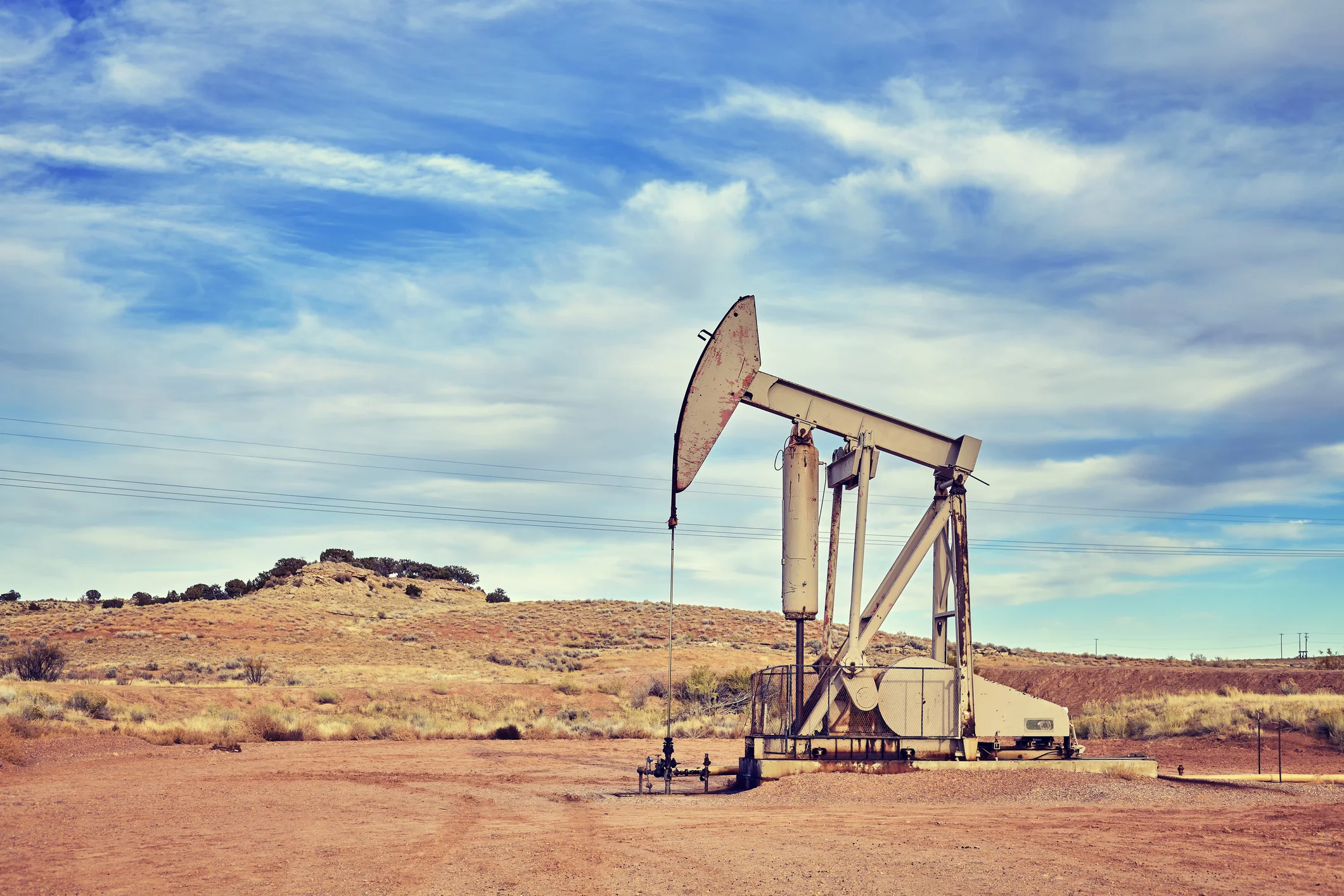
The short answer is yes: the surge in West Texas earthquakes over the past decade tracks closely with oil and gas activity in the Permian Basin. However, most of the research points to wastewater disposal wells rather than the fracking process itself. Homes near Midland and Odessa that never felt tremors a decade ago now register several tremors per week.
What Fracking Actually Is
Hydraulic fracturing, or fracking, is the process of pumping high-pressure water, sand, and chemicals into a wellbore, the drilled shaft that reaches the rock formation, to crack open tight rock formations and release the oil or gas trapped inside. The pad crews in the Permian have been at this for more than a decade, and the technique is what turned West Texas into the largest oil-producing region in the country.
Most of the seismic energy released during a frack job is small: too small for anyone at the surface to feel. If you are trying to identify which fracking companies near you operate a specific well pad, the Railroad Commission of Texas maintains public well records that list the operator of record.
Why Wastewater Wells Get More of the Blame
A single fracked well produces massive amounts of used water, called produced water or flowback. Fracking activity in the Permian has expanded so quickly over the past decade that the volume of that fluid climbs every year.
Operators cannot just dump it, so they inject it back into the ground through wastewater disposal wells, sometimes called saltwater disposal or SWD wells. Under Texas Water Code § 27.031, oil and gas waste disposal wells require a permit from the Railroad Commission of Texas.
When millions of barrels of that fluid get pushed into old geologic faults month after month, the added pressure can slip a fault that has been locked in place for thousands of years.
What the Numbers Say About Seismic Activity
The TexNet Seismic Monitoring Program has been tracking the sharp climb in seismic activity across West Texas since around 2017. Magnitude 3.0 and larger quakes that used to be almost unheard of in the region now happen weekly, and some of the strongest have topped magnitude 5.
The Delaware Basin on the New Mexico side and the Midland Basin on the Texas side both show the same pattern. The correlation with the location of high-volume wastewater injection wells is strong enough that geologists have flagged specific well fields as likely triggers.
What It Feels Like Where You Live
For homeowners near active injection sites, the effects show up in ways that are hard to shake off. Small quakes look minor on paper, but repeat exposure adds up:
- Cracked drywall, brick, and foundation slabs
- Water wells that suddenly run cloudy or dry
- Wildlife and livestock spooked by ground movement
- Property values that take a hit once buyers or lenders learn about nearby seismic activity
Standard Texas homeowners’ policies do not treat earthquake damage as a covered peril, and forcing an oilfield operator to pay for structural repairs means proving a connection between the specific well and the specific fault movement that shook the house.
That is the sort of engineering and geology work that only gets done when a claim is framed properly by an attorney, whether as a personal injury matter, a property damage suit, or something in between.
Truck Traffic, Roads, and the Ripple Effects
Earthquakes are only one slice of the strain that rapid oilfield growth is placing on the West Texas region. Increased truck traffic hauling frac sand, produced water, and rig equipment has changed daily life on roads that were designed for far less.
Every wellhead means more equipment moving through, and more infrastructure strain on systems that were not built for it:
- Two-lane county roads carrying nonstop tanker and rig traffic
- Utility lines and small bridges wearing through faster than expected
- Emergency response times stretched across counties like Reeves and Ward
- Aging school buildings and hospitals absorbing years of vibration
More trucks on the road also means more wrecks and more workplace injuries at the well sites, transfer stations, and truck yards along the way. The same operators who run the frack pads and the injection wells also run the fleets hauling sand, chemicals, and produced water across the basin day and night.
Any one of those trips can end in an oilfield accident that traces straight back to the same operator whose wells are shaking the ground down the road.
When West Texas Earthquakes and Oilfield Growth Cross Into Injury Claims
Earthquakes, oilfield accidents, and heavy-truck crashes continue to affect communities across the Permian Basin. At The Biggs Firm, our personal injury lawyer reviews claims for residents of Midland, Odessa, and surrounding areas, with after-hours assistance available in English and Spanish. Call 432-201-3524 or contact us online for a free consultation on your West Texas earthquake, oilfield, or trucking accident claim.